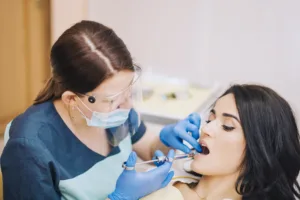
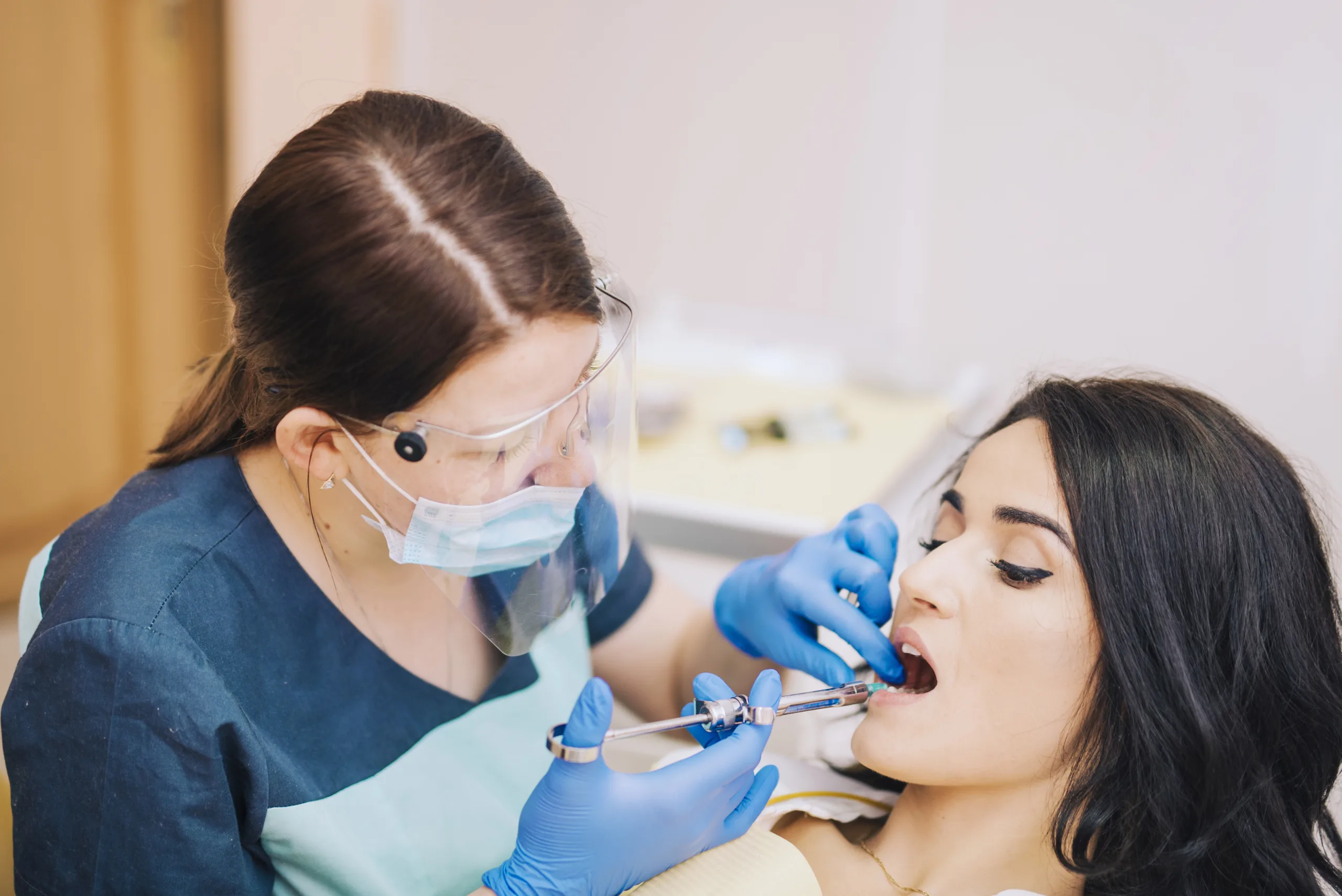
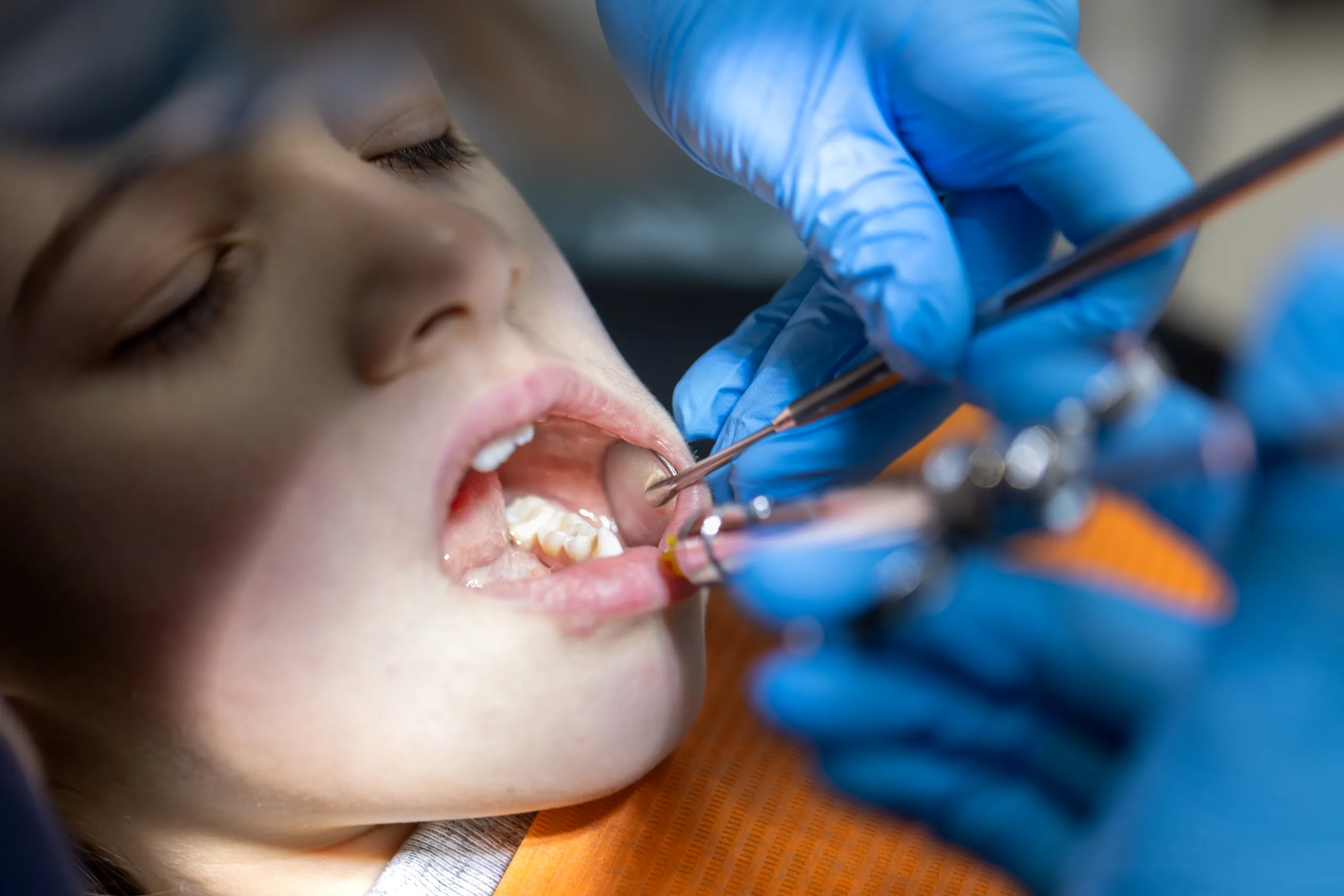
Our teeth go through a lot—from morning coffee stains to tiny chips and cracks that suddenly appear. These small imperfections can make you feel self-conscious about your smile. The good news?
Dental bonding (also known as teeth bonding or tooth bonding) is one of the quickest and most affordable ways to fix minor cosmetic issues in a single visit.
In this guide, we’ll walk you through what dental bonding is, how the procedure works, how much it costs in Australia, who it’s suitable for, its benefits, and essential aftercare tips to keep your smile looking its best.
Table of Contents
What Is Dental Bonding?
Dental bonding is a cosmetic treatment where a tooth-coloured composite resin is applied to fix small imperfections such as:
- Chips
- Cracks
- Gaps
- Discolouration
- Uneven or misshapen teeth
The resin is shaped to match your natural tooth and then hardened using a special curing light—bonding it securely into place.
Compared with veneers or crowns, dental bonding usually requires no drilling, no enamel removal, and no anaesthesia unless you’re treating decay.
It’s fast, painless, and ideal for quick cosmetic improvements.
Dental Bonding Cost in Australia
Cost is one of the most common questions patients ask.
In Australia, dental bonding typically costs between $180 and $450 per tooth, depending on:
- Tooth location
- Size of the area being treated
- Whether multiple teeth are involved
- Dentist experience
- Complexity of shaping and polishing
Bonding is one of the most affordable cosmetic dentistry options, making it popular among patients who want great results without high costs.
Why People Choose Dental Bonding
Dental bonding has become a popular choice because it offers:
✔ Minimally Invasive Treatment
No major drilling, no pain, and often no anaesthesia.
✔ Budget-Friendly
Much more affordable than crowns or veneers.
✔ Quick, Same-Day Results
Treatment often takes 30–60 minutes per tooth, and you walk out with an instantly improved smile.
✔ Versatile Cosmetic Fixes
Bonding can fix stains, chips, gaps, and misshapen teeth using a single material.
✔ Natural-Looking Results
The resin is carefully colour-matched to blend seamlessly with your teeth.
When Is Dental Bonding a Good Choice?
Your dentist may recommend dental bonding if you have:
- Small chips or cracks
- Minor gaps between teeth
- Stains that whitening cannot fix
- Uneven or worn edges
- Small cavities
- Exposed roots due to gum recession
Bonding is best for front teeth or areas that don’t undergo heavy chewing pressure.
Step-by-Step: What Happens During a Dental Bonding Appointment?

Knowing what to expect makes the process easy and stress-free.
1. Shade Matching
Your dentist selects a resin shade that closely matches your natural teeth.
2. Gentle Tooth Preparation
No drilling needed—just light etching and a conditioning liquid to help the resin adhere.
3. Applying the Resin
Soft composite resin is applied and shaped to match your tooth’s natural contour.
4. Curing the Resin
A special blue light hardens the material within seconds.
5. Polishing & Finishing
Your dentist shapes, trims, and polishes the bonded area so it blends perfectly with your smile.
Duration: About 30–60 minutes per tooth.
You can return to normal activities immediately.
Before You Book: Things to Know About Dental Bonding
While dental bonding is excellent for small cosmetic issues, it’s important to understand its limitations:
❗ Not as Strong as Natural Teeth
Composite resin can chip if you bite hard objects like fingernails or ice.
❗ Can Stain Over Time
Coffee, tea, wine, smoking, and certain foods may discolour the resin.
❗ Shorter Lifespan Than Veneers
Bonding typically lasts 3–10 years, depending on oral habits and the location of the bonding.
If you want a long-lasting, stain-resistant result, your dentist may discuss alternatives such as veneers or crowns.
How to Take Care of Bonded Teeth
To keep your bonding looking fresh:
✔ DO:
- Brush twice a day with a soft-bristle brush
- Floss daily
- Rinse after consuming dark beverages
- Visit your dentist regularly
❌ AVOID:
- Chewing on ice, pens, or fingernails
- Using your teeth as tools
- Smoking or vaping
- Crunching very hard food with bonded teeth
If the bonded area feels rough, stained, or chipped, contact your dentist for a quick repair.
Is Dental Bonding Right for You?
You’re likely a good candidate for bonding if:
- You want fast cosmetic improvements
- You have minor chips, cracks, or gaps
- Your oral health is good overall
- You’re not a heavy smoker or habitual tooth-grinder
- You want an affordable alternative to veneers
A consultation with your dentist will determine whether dental bonding or another treatment is best for your needs.
Dental Bonding FAQs
Do Teeth Require Special Care After Dental Bonding?
No special routine is needed—just maintain good oral hygiene and avoid habits that can chip the resin.
How Long Does Dental Bonding Last?
Anywhere from 3 to 10 years, depending on the tooth, lifestyle, and oral habits.
Is Dental Bonding Permanent?
No. Since no enamel is removed, it can be repaired, replaced, or reversed later if needed.
Is dental bonding safe?
Yes. It is a safe, non-invasive cosmetic treatment suitable for healthy teeth and gums.
Thinking About Getting Dental Bonding?
At Richmond & Springvale Dental Group, we’re here to help you get the confident smile you deserve without stress, pain, or a hefty price tag. The skilled professionals at our Abbotsford and Springvale locations provide specialised dental bonding treatments designed to meet your requirements.
Contact us today or schedule your same-day dentist appointment through our website to begin your journey towards a more radiant smile.