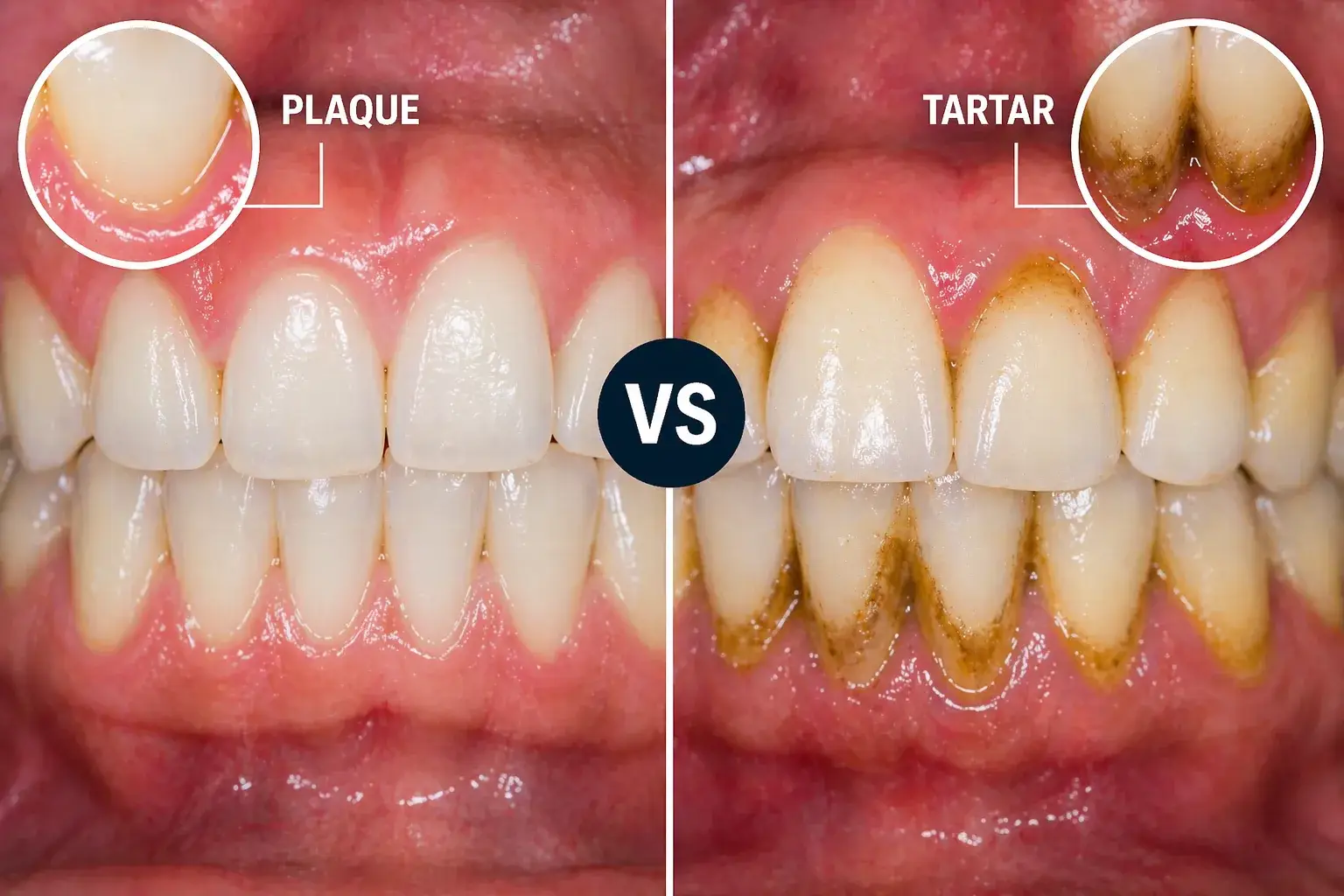
Noticing a fuzzy feeling on your teeth or yellow buildup near your gums?
That’s usually plaque turning into tartar — and if ignored, it can lead to gum disease, bad breath, and even tooth loss.
Here’s the simple difference:
- Plaque = soft, sticky bacteria you can remove at home
- Tartar (calculus) = hardened plaque that only a dentist can remove
The key is removing plaque early — before it hardens and causes damage.
Table of Contents
Plaque vs Tartar: Quick Comparison
Plaque is a soft bacterial film that forms daily and can be removed with brushing and flossing. Tartar is hardened plaque that forms within 24–72 hours and requires professional dental cleaning. If untreated, both can lead to gum disease, cavities, and tooth loss.
| Feature | Plaque | Tartar |
|---|---|---|
| What it is | Soft bacterial film | Hardened plaque (calculus) |
| Colour | Colourless / pale yellow | Yellow, brown, or dark |
| Formation time | Within hours | 24–72 hours |
| Texture | Sticky / fuzzy | Hard / rough |
| Removal | Brushing & flossing | Professional cleaning only |
| Risk | Cavities, gingivitis | Gum disease, tooth loss |
What Is Dental Plaque?
Plaque is a sticky layer of bacteria that forms on your teeth after eating or drinking.
When you consume sugar or carbohydrates:
- Bacteria feed on them
- Produce acids
- Damage tooth enamel
- Irrate your gums
Plaque can begin forming within 4–12 hours after brushing, which is why daily oral hygiene is essential.
What Is Tartar (Dental Calculus)?
Tartar forms when plaque is not removed in time.
Minerals in your saliva harden plaque into a solid deposit that sticks firmly to your teeth.
Once tartar forms:
- It cannot be removed at home
- It attracts more plaque
- It spreads below the gumline
- It increases the risk of gum disease
For a deeper explanation, read our guide on Dental Calculus (Tartar): Causes, Removal & Treatment
Why Plaque & Tartar Are Dangerous
Plaque can cause:
- Cavities
- Gum inflammation (gingivitis)
- Bad breath
Tartar can lead to:
- Gum disease
- Gum recession
- Bone damage
- Tooth loss
The longer tartar remains, the more serious the damage becomes.
Can You Remove Tartar at Home?
No — and trying to do so can cause harm.
Searches like:
- “how to remove tartar from teeth without dentist”
- “tartar removal at home”
are common, but misleading.
DIY methods may:
- Damage enamel
- Cut your gums
- Push bacteria deeper
Only a dentist can safely remove tartar.
How to Remove Plaque (Before It Turns Into Tartar)
Brush properly
- Twice a day for 2 minutes
- Use a soft-bristled or electric toothbrush
- Focus on the gumline
Floss daily
- Removes plaque between teeth
- Prevents hidden buildup
Use mouthwash
- Helps reduce bacteria
Watch your diet
- Limit sugar and acidic foods
- Drink water regularly
Avoid smoking
- Reduces tartar buildup risk
- Improves gum health
Professional Tartar Removal: What to Expect
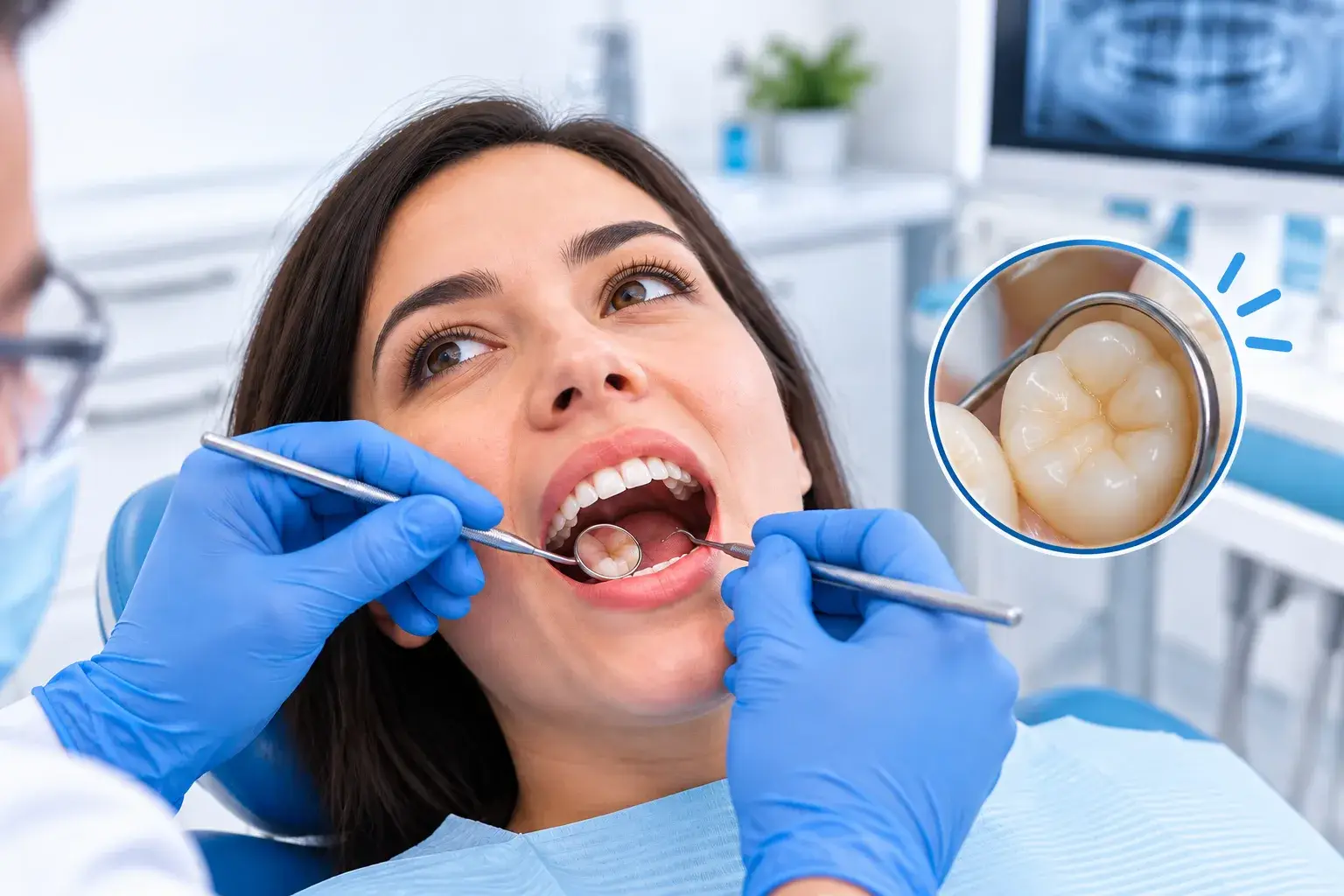
If you’re in Melbourne (Springvale or Abbotsford), a professional scale and clean is the safest solution.
During your appointment:
- Ultrasonic scaling
- Breaks down hardened tartar
- Hand scaling
- Removes remaining deposits
- Cleaning below the gumline
- Prevents gum disease
- Polishing
- Smooths teeth to reduce future buildup
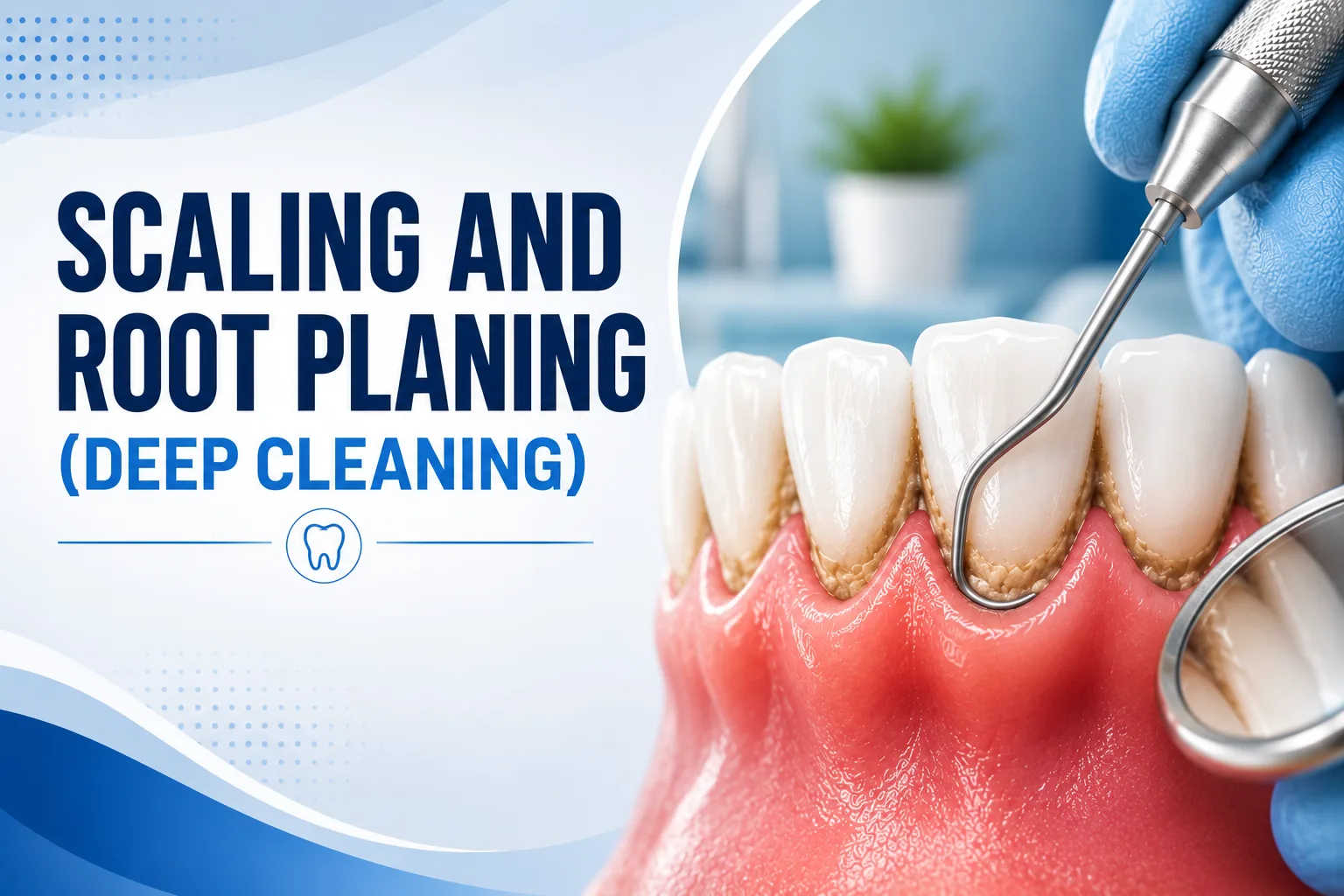
If tartar has accumulated below the gumline and periodontal disease is present, a routine dental clean may not be enough. Your dentist may recommend scaling and root planing, also known as a dental deep cleaning, to remove deposits from deeper areas around the teeth.
How Often Should You Get a Clean?
- Every 6 months (standard)
- Every 3–4 months (if gum disease or heavy buildup)
When Should You See a Dentist?
Book an appointment if you notice:
- Yellow or brown buildup
- Bleeding gums
- Persistent bad breath
- Gum recession
- Rough or fuzzy teeth
These are early signs of tartar and gum disease.
Dental Plaque: Causes, Formation & Removal
What causes dental plaque?
- Poor oral hygiene
- High-sugar diet
- Frequent snacking
- Dry mouth
- Smoking
How does dental plaque form?
- Pellicle forms on teeth
- Bacteria attach
- Plaque grows
- It matures and becomes harmful
What is plaque made of?
- Bacteria (e.g., Streptococcus mutans)
- Food debris
- Saliva proteins
How do you remove plaque?
- Brushing
- Flossing
- Mouthwash
- Regular dental visits
Tartar: Causes, Removal & Myths
What causes tartar?
Plaque hardens due to minerals in saliva when not removed in time.
Can you remove tartar at home?
No. Only a dentist can remove hardened tartar safely.
What is a tartar remover?
Online tools are unsafe. Dentists use professional instruments.
Does food cause tartar?
Sugary and sticky foods increase plaque, which leads to tartar.
Plaque & Tartar Treatment in Melbourne
At Richmond & Springvale Dental Group, we provide:
- Professional scale & clean treatments
- Care for sensitive teeth
- Gum disease prevention
- Clinics in Springvale & Abbotsford
Book a Professional Clean Today
If you’re noticing tartar buildup, don’t wait until it becomes gum disease.
- Same-day appointments available
- Experienced dental team
- Comfortable clinics
Book your appointment with RS Dental Melbourne today