Quick Answer: Bad breath (halitosis) is most commonly caused by bacteria on the tongue, gum disease, dry mouth, or tooth decay. Most cases improve significantly with better oral hygiene and treating the underlying dental issue. Persistent bad breath that does not improve within two weeks should be assessed by a dentist — it is almost always treatable once the cause is identified.
Bad breath is one of the most common oral health concerns affecting Australians of all ages. While occasional bad breath after coffee or garlic is completely normal, persistent bad breath — the kind that stays no matter how much you brush — is usually a sign that something specific is happening in your mouth that needs attention.
The good news is that bad breath is almost always treatable. Understanding which of the eight common causes applies to you is the first step toward fresher breath and better oral health.
What Is Bad Breath?
Bad breath, clinically called halitosis, refers to an unpleasant odour coming from the mouth. In most cases the smell comes from bacteria that naturally live in the mouth. As these bacteria break down food particles, plaque, and dead cells, they release volatile sulphur compounds (VSCs) — the compounds responsible for the characteristic smell of bad breath.
Temporary bad breath is normal and expected after eating strongly flavoured foods or first thing in the morning when saliva flow has slowed overnight. Persistent bad breath — particularly if it returns within hours of brushing — almost always indicates an underlying cause that needs to be identified and treated.
8 Causes of Bad Breath
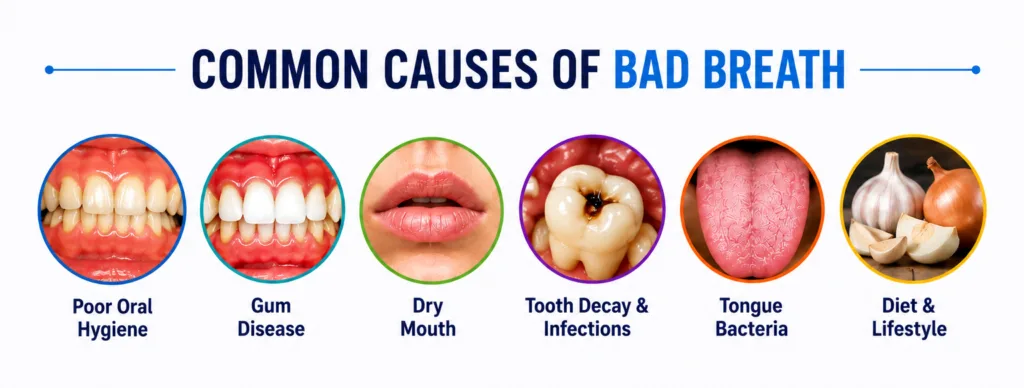
1. Bacteria on the tongue
The back of the tongue is the single most common source of bad breath in people with otherwise healthy mouths. The rough surface of the tongue traps bacteria, dead cells, and food debris — particularly towards the back where it is hardest to clean. A white or yellowish coating on the tongue is a visible sign of bacterial buildup and a frequent cause of persistent odour.
2. Gum disease
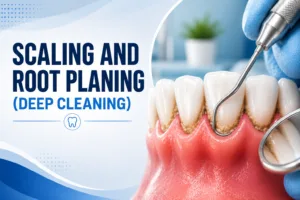
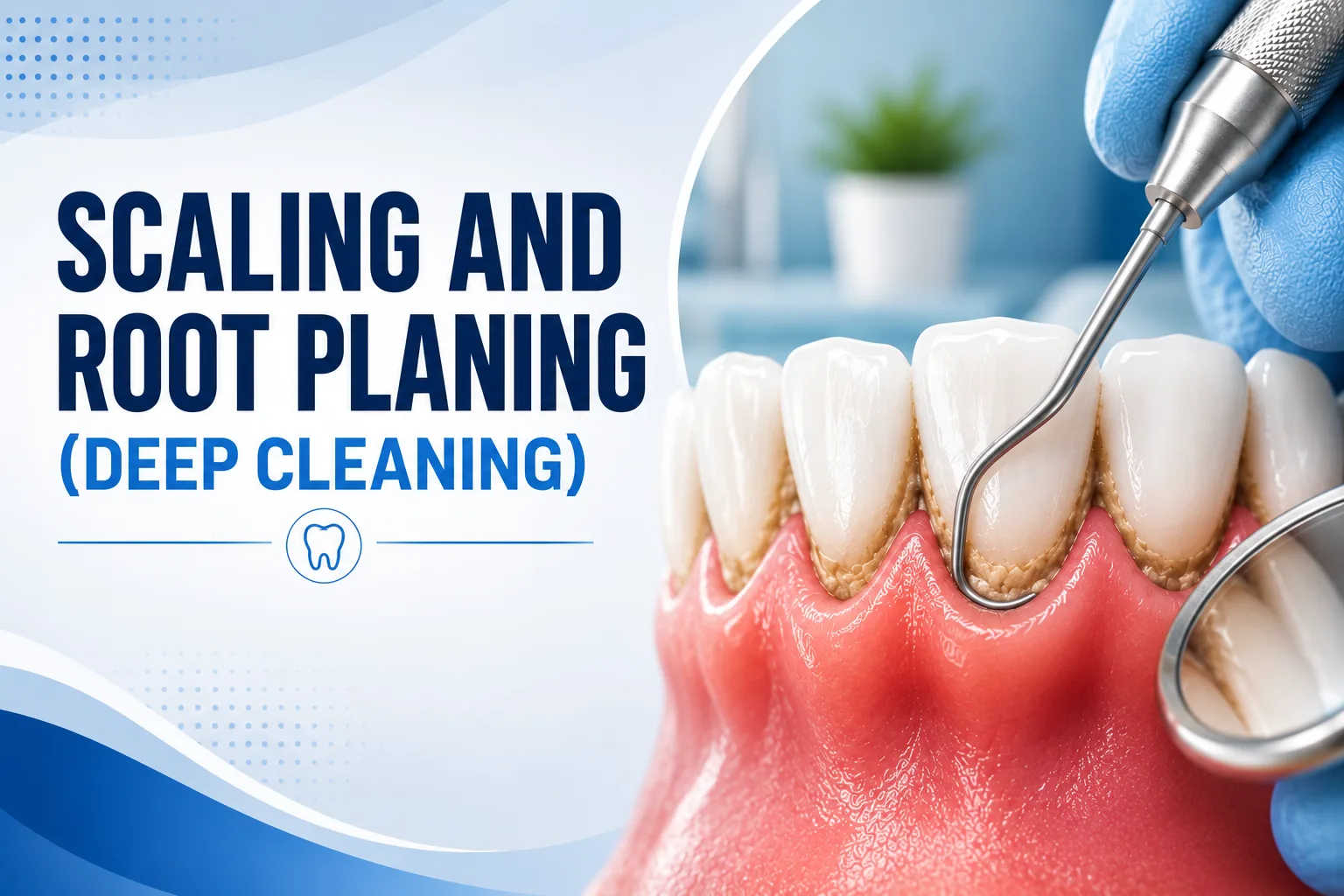
Gum disease — both gingivitis (early stage) and periodontitis (advanced stage) — is one of the most common causes of chronic bad breath that brushing and mouthwash cannot fix. Bacteria accumulate in infected gum pockets around the teeth, producing ongoing sulphur compounds. If your bad breath is accompanied by bleeding gums, gum recession, or loosening teeth, gum disease should be investigated urgently.
3. Dry mouth (xerostomia)
Saliva is your mouth’s natural cleaning system — it washes away bacteria and food particles throughout the day. When saliva production decreases, bacteria multiply more rapidly and produce stronger odours. Dry mouth is commonly caused by breathing through the mouth at night, certain medications (antidepressants, antihistamines, blood pressure medications), dehydration, smoking, and some medical conditions.
4. Tooth decay and dental infections
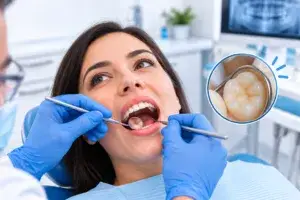
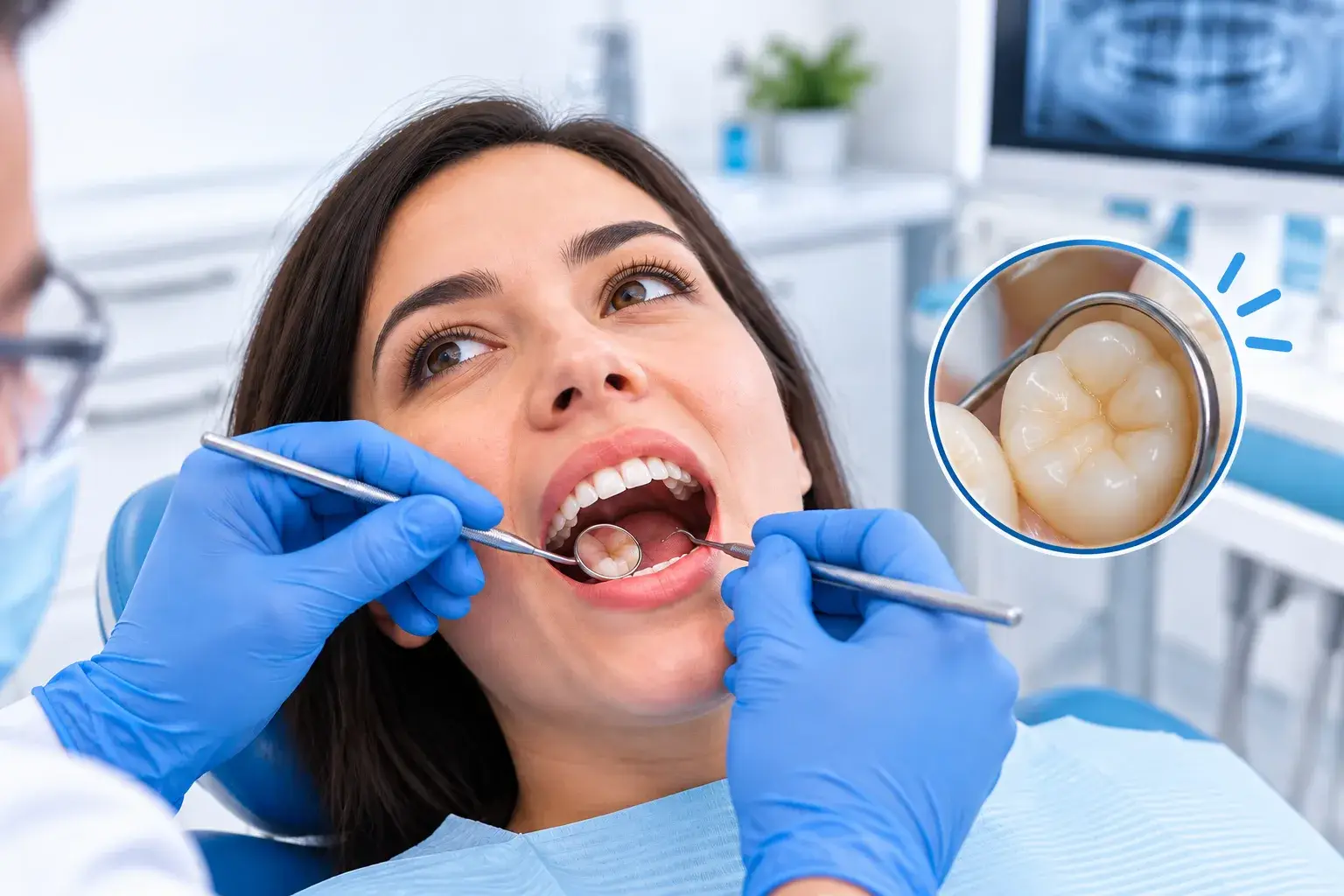
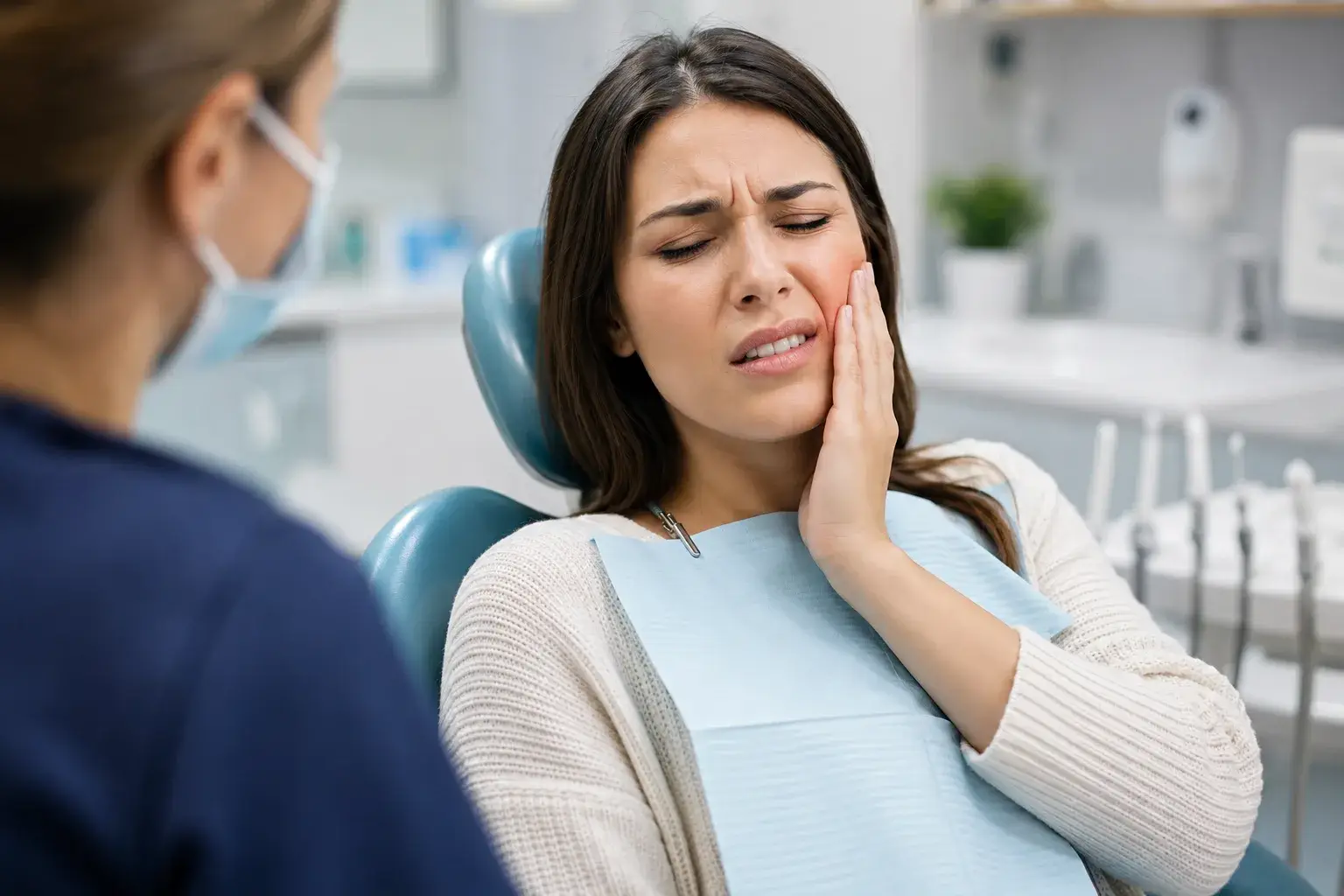
Cavities, cracked teeth, and dental abscesses trap bacteria in areas that brushing cannot reach. As bacteria continue to grow inside decayed or infected teeth, they produce persistent odours and increase the risk of spreading infection. If your bad breath is paired with tooth pain, sensitivity to hot or cold, or visible dark spots on teeth, decay or infection may be the source.
5. Poor oral hygiene
Failing to brush and floss consistently allows food particles and plaque to accumulate on teeth, between teeth, and along the gumline. These deposits feed bacteria and create ongoing odour. Many people brush their teeth thoroughly but skip flossing — meaning food debris trapped between teeth continues to decompose for hours after brushing.
6. Diet and lifestyle habits
Certain foods and habits directly contribute to bad breath:
- Garlic and onions — absorbed into the bloodstream and released through the lungs, meaning breath can smell even after thorough brushing
- Coffee and alcohol — both dry out the mouth and reduce saliva flow
- Smoking and vaping — dry the oral mucosa, damage gum tissue, and leave residue that contributes to persistent odour
- Low water intake — reduces saliva production throughout the day
7. Dentures and dental appliances
Dentures, retainers, mouthguards, and other removable appliances collect food particles and bacteria if not cleaned properly after every use. Wearing dentures overnight dramatically increases bacterial accumulation. Even well-fitted dentures can harbour odour-causing bacteria in areas that are difficult to see and clean.
8. Medical conditions
In some cases, the source of bad breath is not in the mouth at all. Medical conditions that can cause persistent bad breath include sinus infections, tonsil stones (tonsilloliths), respiratory infections, acid reflux (GERD), uncontrolled diabetes (which can cause a sweet or fruity breath odour), and some gastrointestinal conditions. If a dental examination finds no oral cause, referral to a GP or specialist may be appropriate.
Why Does My Breath Still Smell After Brushing?
If your breath returns to smelling unpleasant within a few hours of brushing, the source of the problem is almost certainly not on the tooth surface — which is the only area standard brushing addresses.
The most common reasons breath continues to smell after brushing are:
- Bacteria on the tongue — brushing teeth does not clean the back of the tongue where most odour-causing bacteria live
- Gum disease — bacteria in infected gum pockets are unreachable by a toothbrush
- Tooth decay or infection — bacteria inside cavities or abscesses cannot be brushed away
- Dry mouth — low saliva levels allow bacteria to multiply rapidly between brushing sessions
- Poorly cleaned dentures — dentures re-introduce bacteria to the mouth immediately after brushing
- Medical conditions — reflux, sinus drainage, and tonsil stones cause odour that originates above or below the mouth
The solution is not brushing more frequently — it is identifying which of these causes applies and addressing it directly.
What Kills Bad Breath Instantly?
For immediate relief — before a meeting, date, or appointment — these options work fastest:
- Water — rinsing and swallowing water temporarily washes away odour-causing bacteria and food particles. Staying hydrated throughout the day is one of the most underrated and effective bad breath strategies.
- Sugar-free gum or mints — stimulate saliva production, which is the mouth’s natural antibacterial system. Look for products containing xylitol, which also reduces bacteria rather than just masking odour.
- Antibacterial mouthwash — products containing zinc, chlorhexidine, or cetylpyridinium chloride neutralise VSC compounds. Note that alcohol-based mouthwashes can temporarily worsen dry mouth and are not recommended for daily long-term use.
- Tongue scraping — running a tongue scraper from back to front once or twice removes a large proportion of the bacteria responsible for bad breath in seconds.
These options provide temporary relief but do not treat the underlying cause. If you need a permanent fix, the cause needs to be identified and treated properly.
How to Get Rid of Bad Breath Permanently
Long-term elimination of bad breath depends entirely on which cause is responsible.
- If the cause is bacteria and poor oral hygiene:
- Brush twice daily with fluoride toothpaste, floss every day, and add tongue cleaning to your morning routine. Most patients notice significant improvement within one to two weeks of consistent flossing — particularly if food debris between teeth was the primary source.
- If the cause is gum disease:
- Professional treatment is required. Gum disease treatment at RS Dental involves scaling and root planing — removing hardened tartar from beneath the gumline that home brushing cannot reach. Most patients notice a significant reduction in bad breath within two to four weeks of treatment.
- If the cause is tooth decay or infection:
- A filling, root canal, or extraction resolves the bacterial source permanently. Leaving decay untreated does not improve — it worsens, and so does the associated bad breath.
- If the cause is dry mouth:
- Increase water intake throughout the day, breathe through the nose where possible, ask your GP whether alternative medications are available if a specific drug is causing dryness, and use alcohol-free saliva substitute products if recommended by your dentist.
- If the cause is dentures:
- Remove dentures at night, soak in a denture cleaner, and brush the denture surfaces thoroughly. Ask your dentist whether your dentures still fit correctly — poorly fitting dentures can trap more debris.
- If the cause is a medical condition:
- Your dentist can determine whether the source is oral or non-oral and refer you to an appropriate specialist if needed.
How to Prevent Bad Breath Coming Back
Once the underlying cause has been treated, consistent daily habits keep it from returning:
- Brush twice daily — morning and before bed, for two minutes each time with fluoride toothpaste.
- Floss every day — this is non-negotiable. No amount of brushing removes food debris from between teeth.
- Clean your tongue every morning — a tongue scraper takes 10 seconds and removes more odour-causing bacteria than any mouthwash.
- Drink water throughout the day — not just at mealtimes. Keeping the mouth moist prevents the bacterial overgrowth that comes with dry mouth.
- Don’t skip night-time brushing — bacteria multiply during sleep when saliva flow naturally reduces. This is the most important brushing of the day.
- Attend dental check-ups every 6 months — professional cleaning removes tartar that home brushing misses, and early gum disease or decay can be identified and treated before it causes persistent bad breath.
- Clean dentures and appliances daily — remove and clean thoroughly every evening, using a dedicated denture brush and cleaner.
When Should You See a Dentist for Bad Breath?
You should book a dental appointment if:
- Bad breath persists for more than two weeks despite good oral hygiene
- The problem keeps returning after brushing and mouthwash
- You notice bleeding or swollen gums
- You have tooth pain, sensitivity, or visible decay
- You have a dry, uncomfortable mouth that doesn’t improve with water
- Bad breath is affecting your confidence, relationships, or work life
- Someone close to you has mentioned the problem
Persistent bad breath is almost always treatable — but the right treatment depends on identifying the right cause. A dental examination can usually pinpoint the source in a single appointment.
RS Dental’s Springvale and Abbotsford clinics offer same-day appointments for urgent dental concerns, including persistent bad breath that is not responding to home care. Call us at Springvale (03) 9558 5756 or Abbotsford (03) 9428 9102 — or book online here →
Bad Breath Treatment at RS Dental Melbourne
At Richmond & Springvale Dental’s Springvale and Abbotsford clinics, we assess and treat persistent bad breath as part of a comprehensive dental examination. Our experienced team will identify whether the source is oral hygiene, gum disease, tooth decay, dry mouth, or another cause — and provide a clear treatment plan with fixed pricing.
We are preferred providers with Medibank, Bupa, HCF, and NIB, and our team speaks English, Vietnamese, Cantonese, Mandarin, Teo Chew, and Khmer — making us accessible to patients from across Melbourne’s diverse communities.
FAQs
What is the fastest way to get rid of bad breath?
For instant relief, rinse your mouth with water, scrape your tongue, and use an antibacterial mouthwash containing zinc or chlorhexidine. For lasting improvement, the underlying cause needs to be identified and treated — which a dentist can help determine at a single examination appointment.
Why does my breath smell like poo?
A faecal-like smell is commonly caused by gum disease (bacteria in deep infected gum pockets), dental abscesses, severe tooth decay, or in some cases conditions affecting the gut or sinuses that produce similar-smelling gases. This type of odour should be assessed by a dentist promptly.
Can bad breath come from the stomach?
Yes — acid reflux (GERD) can cause bad breath by bringing stomach acid and food particles back into the oesophagus and mouth. However, stomach-related bad breath is less common than oral causes. If a dental examination finds no oral source, your dentist may refer you to a GP to investigate digestive causes.
How do I know if my breath smells?
The most reliable way is to ask someone you trust. You can also lick the back of your wrist, let it dry for a few seconds, and smell it — the residue reflects what your breath smells like. A persistent bad taste in your mouth is another reliable indicator. If you are regularly reaching for mints or mouthwash, that is also a signal worth investigating.
Does drinking water help bad breath?
Yes — significantly. Water washes away food debris and bacteria, stimulates saliva production, and prevents the dry mouth conditions that allow bacteria to multiply. Sipping water throughout the day is one of the most effective and underutilised strategies for managing persistent bad breath.
Can gum disease cause bad breath even with good oral hygiene?
Yes. Gum disease creates infected pockets below the gumline where bacteria accumulate and produce sulphur compounds — areas a toothbrush cannot reach. If bad breath persists despite thorough brushing, flossing, and tongue cleaning, gum disease is the most likely cause and needs professional treatment to resolve.