Healthy gums are the foundation of a healthy smile. While brushing, flossing, and regular dental check-ups help prevent many gum problems, plaque and tartar can sometimes build up below the gumline, where everyday cleaning cannot reach. When this happens, a routine dental cleaning may no longer be enough.
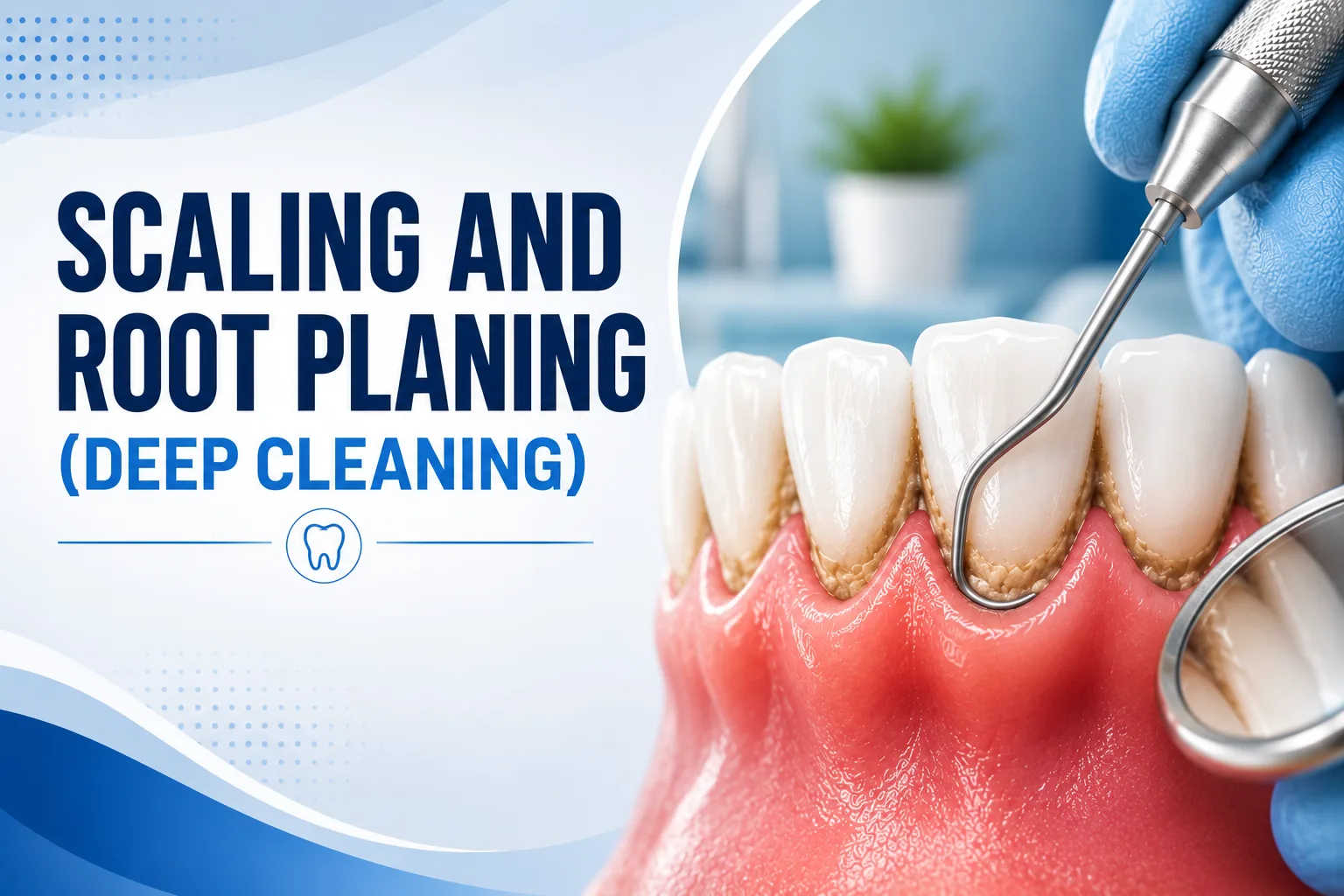
This is where scaling and root planing may be recommended. Often referred to as a dental deep cleaning, it is a non-surgical treatment used to manage gum disease by removing plaque, tartar, and bacteria from below the gumline and cleaning the tooth root surfaces.
Scaling and root planing, often called a dental deep cleaning, is a non-surgical treatment for gum disease. It removes plaque, tartar, and bacterial deposits from below the gumline and cleans the tooth roots to support gum healing. A dentist may recommend it when gum disease has progressed beyond gingivitis and signs of periodontitis are present.
Understanding why deep cleaning is recommended, what happens during treatment, and how to care for your gums afterwards can help you make informed decisions about your oral health.
What Is Scaling and Root Planing?
Scaling and root planing is a deep cleaning treatment used to manage periodontal disease, particularly when plaque, tartar, and bacteria have accumulated below the gumline.
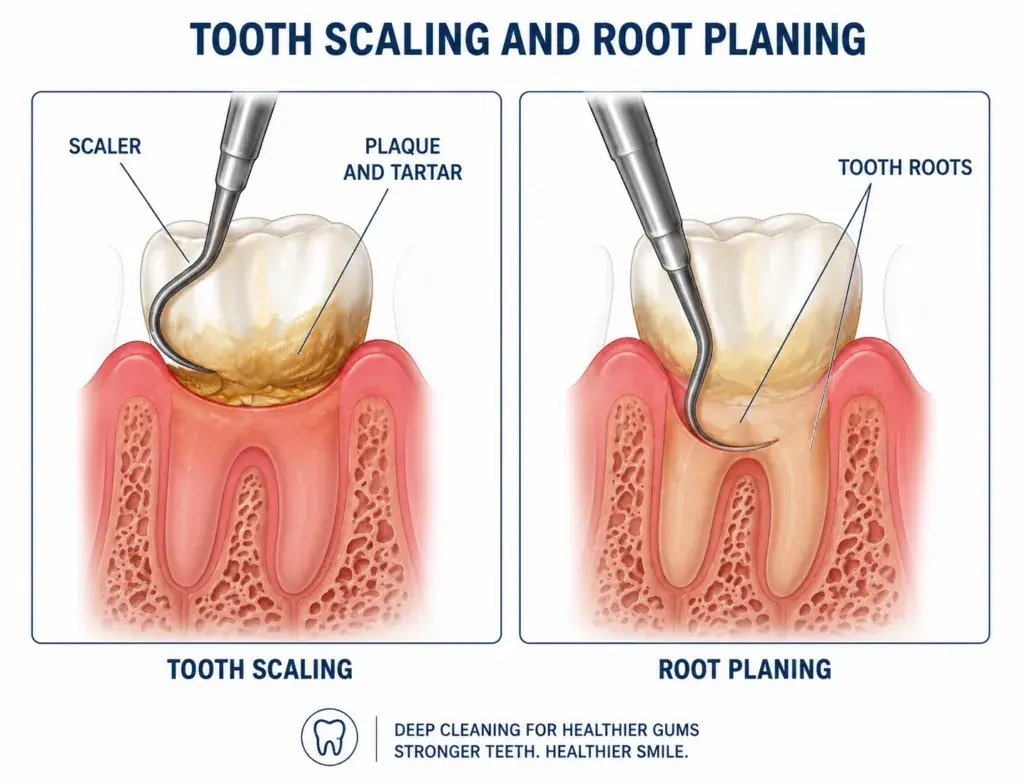
The treatment generally involves two important steps:
- Scaling: During scaling, your dentist or dental professional removes plaque, hardened tartar (calculus), and bacterial deposits from the surfaces of the teeth and from below the gumline.
- Root planing: The tooth root surfaces are then carefully cleaned and smoothed where appropriate. This helps create a cleaner root surface, makes it more difficult for bacterial deposits to accumulate, and supports the healing of the surrounding gum tissues.
Unlike a routine dental clean, scaling and root planing focuses on areas deeper below the gumline where periodontal disease may be present.
Is Scaling and Root Planing a Serious Procedure?
Scaling and root planing is a non-surgical periodontal treatment used to manage gum disease. Although it is more extensive than a routine dental clean, it is commonly performed using local anaesthetic to help keep patients comfortable.
Your dentist may recommend a deep cleaning when plaque, tartar, and bacteria have accumulated below the gumline and there are signs of periodontitis.
Periodontitis affects the tissues and bone that support the teeth. Without appropriate treatment and ongoing maintenance, the condition may progress and contribute to gum recession, bone loss, tooth mobility, and eventually tooth loss.
Treating gum disease early can help control the infection and reduce the risk of further damage to the structures supporting your teeth.
When Do You Need a Dental Deep Cleaning?
You may need a dental deep cleaning when gum disease has progressed below the gumline and cannot be adequately managed with a routine professional clean alone. A dentist will make this recommendation after assessing your gums, periodontal pocket depths, and, when appropriate, dental X-rays.
Common signs and symptoms associated with gum disease may include:
- Bleeding gums during brushing or flossing
- Red, swollen, or tender gums
- Persistent bad breath
- Gum recession
- Teeth that appear longer than before
- Deep pockets between the teeth and gums
- Loose or shifting teeth
- Changes in the way your teeth fit together
- Evidence of bone loss on dental X-rays
Swollen gums can have several possible causes and do not always mean that periodontitis is present, which is why a professional dental assessment is important.
These symptoms do not automatically mean that you need scaling and root planing. A professional dental assessment is necessary to determine the cause of your symptoms and the most appropriate treatment.
How Is Gum Disease Diagnosed?
Before recommending scaling and root planing, your dentist or periodontist will assess the health of your gums.
This assessment may include:
- Measuring the depth of the spaces, or periodontal pockets, around your teeth using a specialised dental probe
- Checking for bleeding and inflammation
- Assessing gum recession
- Checking whether any teeth are mobile
- Looking for plaque and tartar below the gumline
- Reviewing dental X-rays, when appropriate, for signs of bone loss
Healthy gums generally have shallow periodontal pockets. Deeper pockets, bleeding on probing, gum recession, tartar below the gumline, and evidence of bone loss may indicate periodontal disease.
Your dentist considers these findings together rather than relying on a single measurement before recommending scaling and root planing.
What Happens During Scaling and Root Planing?
The exact treatment process depends on the extent and severity of the gum disease. Some patients may have the entire mouth treated, while others may need treatment only in specific areas. Treatment may also be completed over more than one appointment.
1. Assessment and Local Anaesthetic
Before treatment begins, your dentist or dental professional will assess your gums and review any relevant dental X-rays.
Because scaling and root planing involves cleaning below the gumline, local anaesthetic may be used to numb the treatment area and help keep you comfortable during the procedure.
2. Scaling
Your dental professional uses ultrasonic instruments and specialised hand instruments to remove plaque, hardened tartar, and bacterial deposits from the tooth surfaces and below the gumline.
These deposits cannot always be removed effectively with regular brushing, flossing, or a routine professional clean when they are located deep within periodontal pockets.
3. Root Planing
Once the deposits have been removed, the tooth root surfaces are carefully cleaned and smoothed where appropriate.
This helps create a cleaner root surface and supports healing of the surrounding gum tissues.
4. Rinsing and Additional Treatment When Required
After scaling and root planing, the treated areas are cleaned to remove remaining debris.
In selected cases, your dentist may recommend additional antimicrobial treatment as part of periodontal care. This is not required for every patient and depends on the nature and severity of the condition.
Does Scaling and Root Planing Hurt?
Most patients experience little discomfort during scaling and root planing because local anaesthetic can be used to numb the treatment area.
If local anaesthetic is used, temporary numbness may continue for a period after your dental appointment.
After the procedure, it is normal to experience temporary symptoms such as:
- Mild gum tenderness
- Slight bleeding
- Tooth or gum sensitivity
- Temporary sensitivity to hot or cold foods and drinks
The level of discomfort varies depending on the extent of treatment and the severity of the gum disease. Your dental team will provide aftercare instructions to help manage any temporary sensitivity or discomfort.
What Happens After Scaling and Root Planing?
After treatment, your gums need time to heal and respond to the removal of plaque, tartar, and bacterial deposits.
Your dentist may arrange a follow-up assessment to evaluate how your gums have responded to treatment. This may involve:
- Re-measuring periodontal pocket depths
- Checking for bleeding and inflammation
- Assessing gum healing
- Reviewing your oral hygiene
- Determining whether additional periodontal treatment is required
Long-term success depends on maintaining good oral hygiene at home and attending the professional maintenance visits recommended for your individual gum health.
How Long Does Recovery Take?
Recovery varies depending on the severity of gum disease, the extent of treatment, and how well you care for your mouth afterwards.
Many patients notice reduced gum tenderness and inflammation within the first one to two weeks. However, tooth sensitivity may take longer to settle.
To support healing after scaling and root planing:
- Brush gently using a soft-bristled toothbrush
- Clean between your teeth every day using floss or interdental brushes, as recommended
- Follow the specific aftercare instructions provided by your dental team
- Attend recommended follow-up appointments
- Avoid smoking, as it can interfere with gum healing and increase the risk of periodontal disease progression
Contact your dentist if you experience symptoms that are severe, persistent, or concerning after treatment.
What Are the Benefits of Scaling and Root Planing?
When recommended for periodontal disease, scaling and root planing can help:
- Remove plaque and hardened tartar from below the gumline
- Reduce bacterial deposits associated with gum inflammation
- Reduce bleeding and swelling
- Support the healing of gum tissues
- Help manage periodontal pockets
- Reduce the risk of further periodontal damage
- Support the long-term retention of natural teeth
The results vary between patients and depend on factors such as the severity of gum disease, oral hygiene, smoking, general health, and ongoing periodontal maintenance.
How Often Is Scaling and Root Planing Needed?
Scaling and root planing is not performed on a fixed schedule. The number of treatments you need depends on the severity and extent of your gum disease and how your gums respond to treatment.
After the initial treatment, your dentist will reassess your gum health. Some patients may then move to a personalised periodontal maintenance schedule, which may involve more frequent professional care than routine preventive dental visits.
If deeper periodontal pockets or signs of active disease remain, additional periodontal treatment may be recommended.
Once the disease is under control, your dentist will recommend a maintenance schedule based on your individual risk factors, oral hygiene, and response to treatment.
Can Deep Cleaning Save Loose Teeth?
Scaling and root planing may help stabilise some loose teeth when mobility is associated with active gum inflammation and the supporting structures can still be preserved.
By removing bacterial deposits and controlling periodontal inflammation, the surrounding gum tissues may become healthier and firmer.
However, scaling and root planing cannot replace supporting bone that has already been permanently lost. If periodontitis is advanced, additional periodontal treatment may be required.
The outlook for a loose tooth depends on factors such as:
- The amount of remaining bone support
- The degree of tooth mobility
- The severity of periodontal disease
- Smoking
- General health
- Oral hygiene
- How well the condition responds to treatment
Early diagnosis and appropriate periodontal care generally provide a better opportunity to preserve natural teeth.
Do Gums Grow Back After Scaling and Root Planing?
Receded gum tissue generally does not naturally grow back to its original position after scaling and root planing.
However, treating the underlying gum disease can reduce inflammation and help the gums become healthier and firmer around the teeth.
The main purpose of scaling and root planing is to control periodontal disease and help prevent further damage to the gums and supporting structures.
In some cases, specialised periodontal procedures may be considered to manage significant gum recession or defects caused by periodontal disease. Your dentist or periodontist can advise whether additional treatment may be suitable.
Is Deep Cleaning Better Than a Regular Dental Cleaning?
Neither treatment is inherently “better”. A routine dental cleaning and scaling and root planing serve different purposes.
| Regular Dental Cleaning | Scaling and Root Planing |
|---|---|
| Primarily preventive | A therapeutic treatment for gum disease |
| Helps maintain generally healthy gums | Used when periodontal disease is diagnosed |
| Focuses on accessible tooth surfaces and around the gumline | Cleans deeper below the gumline and around tooth roots |
| Often completed during a routine dental visit | May be completed in sections or over multiple appointments |
| Local anaesthetic is generally not required | Local anaesthetic may be used for comfort |
Your dentist will recommend the appropriate type of cleaning based on the health of your teeth and gums.
How Much Does Scaling and Root Planing Cost in Melbourne?
The cost of scaling and root planing varies depending on the extent of gum disease and the amount of treatment required.
Factors that may affect the cost include:
- How many areas of the mouth require treatment
- The severity of the periodontal condition
- The number of appointments required
- Whether additional periodontal care is needed
- Your individual treatment plan
After examining your gums, your dentist can explain the recommended treatment and provide an individual cost estimate before treatment begins.
If you have private health insurance with dental extras, your level of cover and potential rebate will depend on your individual policy. It is best to check directly with your health fund regarding your specific level of cover.
Does Medicare Cover Scaling and Root Planing?
Medicare generally does not cover routine dental treatment for most Australian adults.
However, some eligible patients may be able to access dental services through government-funded programs. Eligible children may also receive certain dental services through the Child Dental Benefits Schedule (CDBS), subject to eligibility and program requirements.
Private health insurance extras may contribute towards eligible periodontal treatment, depending on your level of cover.
Because eligibility and coverage can vary, it is best to check your individual circumstances and treatment eligibility before your appointment.
When Should You See a Dentist About Gum Disease?
You should consider booking a dental assessment if you experience persistent:
- Bleeding gums
- Red, swollen, or tender gums
- Bad breath that does not improve
- Gum recession
- Loose or shifting teeth
- Changes in your bite
- Discomfort around the gums
Persistent bad breath can have several causes, including bacterial buildup, dry mouth, tooth decay, and gum disease.
Gum disease can sometimes progress with limited pain or obvious symptoms. A dental examination can help determine whether you need a routine professional clean, scaling and root planing, or another form of periodontal treatment.
Concerned About Bleeding Gums or Gum Disease?
If you have persistent bleeding gums, gum recession, bad breath, or other signs of periodontal disease, the experienced dental team at Richmond & Springvale Dental Group can assess your gum health and recommend treatment based on your individual needs.
Whether you visit our Springvale or Abbotsford clinic, we provide personalised dental care to help manage gum disease and support the long-term health of your teeth and gums.
Book a dental consultation with RS Dental Group to have your gums professionally assessed.